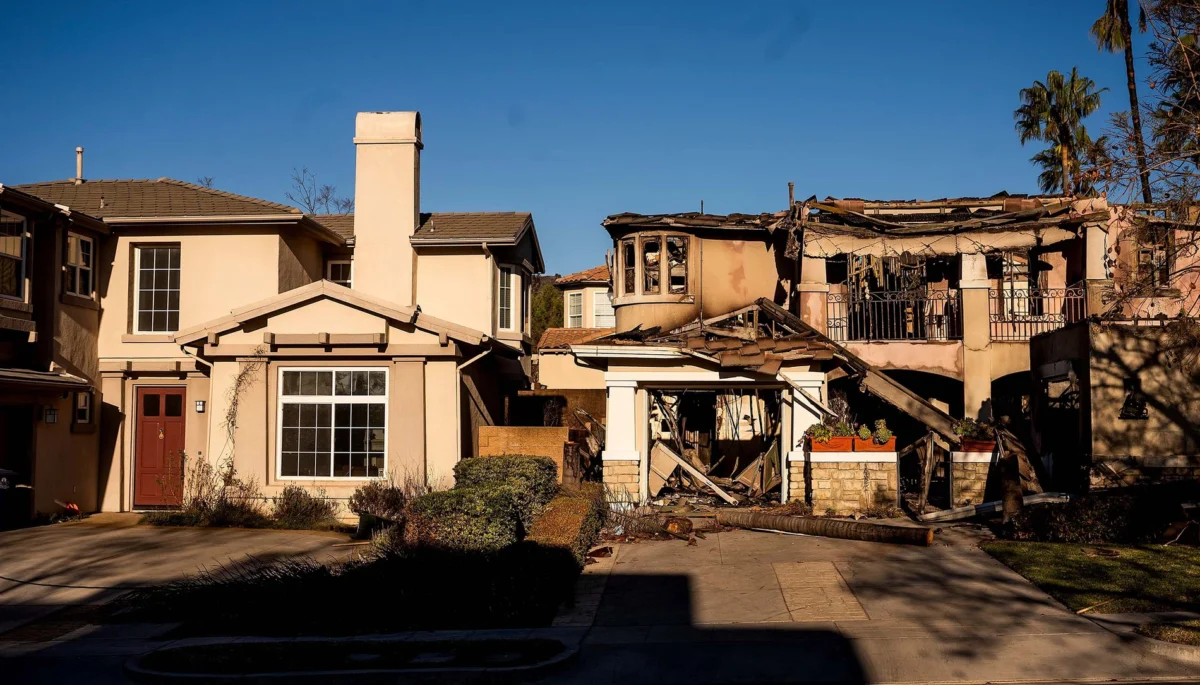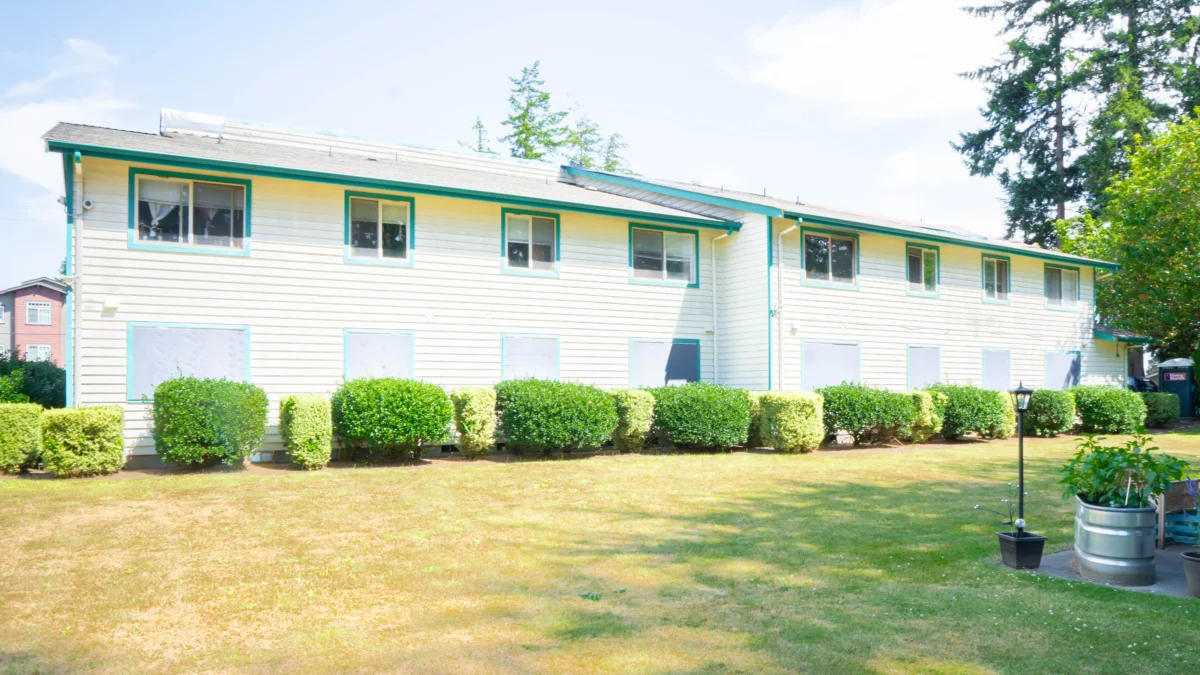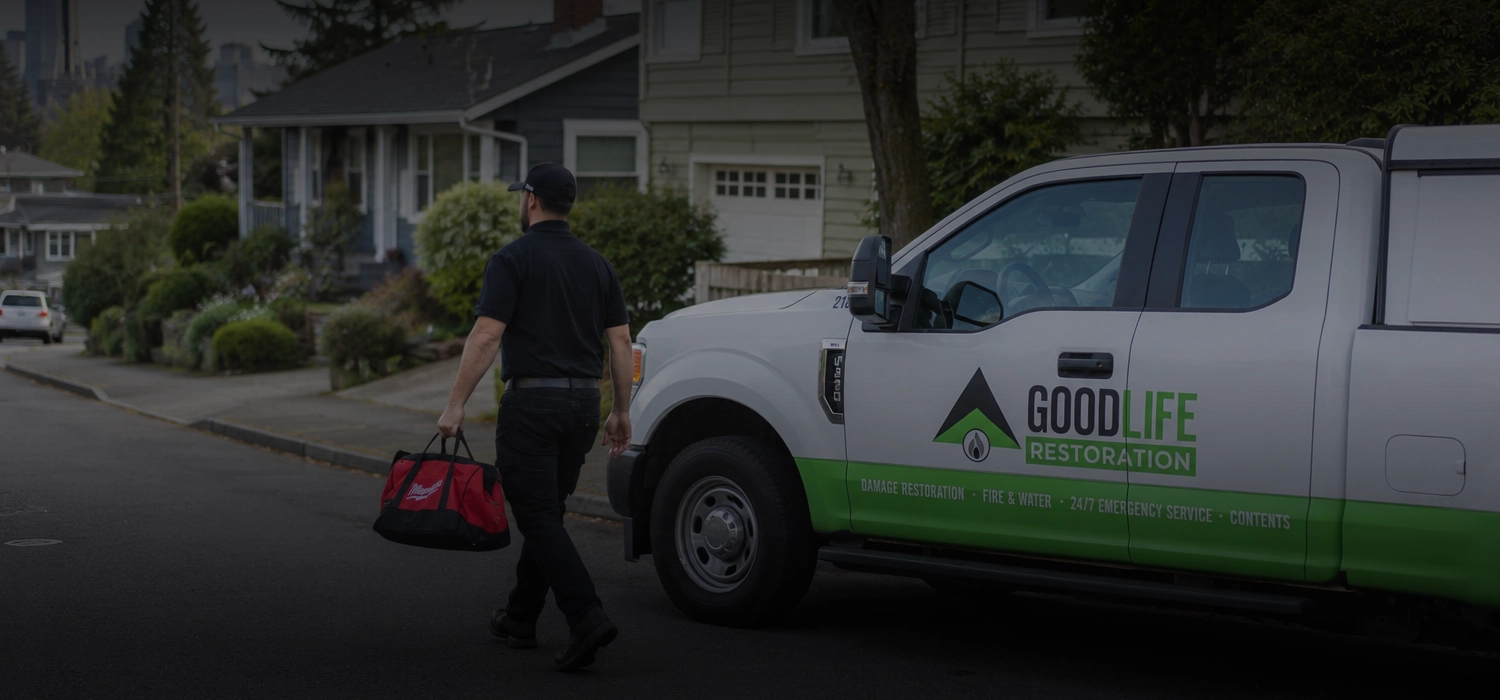
After property damage, you need a clear plan and a team that keeps you informed. Good Life Restoration coordinates inspection, emergency protection, cleanup, drying, belongings care, and repair planning for Seattle-area homes and businesses.
We explain what needs attention, document the work, and help you understand each next step.
What You Can Expect From Us
- A clear starting point: An assessment of the damage and immediate protection needs.
- Work matched to your property: Recommended services, priorities, and an explained scope.
- Care for your belongings: Organized handling, documentation, and contents services when needed.
- Updates you can use: Progress, schedule changes, and decisions that need your attention.
- A documented path forward: Job records and coordination from cleanup toward repairs.
Not every loss needs every service. We explain which steps apply to your situation.
Our Restoration Process: From Your First Call to Repairs
1. Tell Us What Happened
You do not need to know the full extent of the damage before calling. We start with a few practical questions:
- Where is the property, and when did the damage occur?
- Is water still entering, or are windows, doors, or roofing exposed?
- Which rooms, belongings, or business areas appear affected?
- Are there access restrictions or urgent priorities?
What happens next: We discuss the next visit and arrival expectations based on the situation.
If there is an active fire or immediate danger, call 911 first. Do not enter an unsafe building to inspect damage or retrieve items.
2. We Check Safety and Protect Exposed Areas
Before cleanup begins, we assess accessible areas for conditions that affect the work, including electrical hazards, unstable materials, and contaminated water. Some conditions require emergency responders, utilities, or qualified specialists.
Property protection may include:
- Emergency board-up for damaged windows and doors.
- Temporary roof tarping where appropriate.
- Containment to help keep soot, dust, or contaminants within the work area.
What this means for you: We explain access restrictions and the immediate protection plan.
3. We Inspect, Document, and Explain the Scope
We look beyond the most visible damage to understand what needs attention.
- Water damage: Moisture readings help identify affected floors, walls, and other materials.
- Fire and smoke damage: We assess soot spread, affected surfaces, and firefighting water.
- Contents damage: We review affected belongings and handling needs.
- Project records: Photos and job notes document conditions and support the proposed work.
What you receive: An explanation of findings, recommended services, and expected next steps. If hidden damage changes the scope, we discuss the impact.
4. We Stabilize, Clean, and Dry the Property
The cleanup plan depends on the damage, materials, and site conditions.
For water damage
Our water mitigation work may include extraction, air movers, dehumidification, and removal of materials that cannot be appropriately dried or cleaned. Moisture checks track progress toward drying targets.
Our water damage restoration services also address the transition from drying to repairs.
For fire and smoke damage
Fire restoration may include soot removal, surface cleaning, odor treatment, and removal of materials that cannot be restored. HEPA filtration and containment are used when needed. Firefighting water may also require extraction and drying.
What this means for you: Cleanup methods follow the property’s condition. We explain why equipment, material removal, or additional treatment is needed.
5. We Keep You Informed as Work Progresses
Our updates help you understand:
- What has been completed and what happens next.
- Which spaces remain unavailable.
- Whether new findings affect the estimate or schedule.
- What decisions or authorizations are needed from you.
What to expect: Timing is based on drying progress, damage extent, contents work, repair needs, and approvals. We update expectations as the project develops.
6. We Repair and Rebuild Damaged Areas
After cleanup and drying, your property may need repairs such as replacing drywall, flooring, insulation, or other damaged materials, followed by painting and finish work. The repair plan depends on the damage and the agreed scope.
Good Life Restoration coordinates the next repair steps, which may include confirming the work scope, selecting materials, scheduling qualified trades, and planning the return of stored belongings. If repairs are outside the current scope, we explain what remains and how to move forward.
What you receive: A clear view of which repairs are included, what happens next, and how the repair stage connects to the mitigation work.
How We Care for Your Belongings
Your furniture, clothing, household items, and business contents need their own plan. Our contents restoration team evaluates the damage and suitable cleaning options, including limitations on what can be restored.
When belongings need to leave the work area, our pack-out services can include:
- Document: Photos, condition notes, and an inventory appropriate to the scope.
- Protect: Labeling and packing suited to the items.
- Clean and store: Transport, cleaning, and organized storage as needed.
- Return: Coordinated delivery when the property is ready.
Tell us early about sentimental items and essentials you may need during the project. Discuss documentation and disposal with the team and your insurer before discarding damaged belongings.
Insurance Documentation You Can Refer To
We prepare records that help explain the damage, the scope, and the work performed. Depending on the project, these may include:
- Before, during, and after photos.
- Job notes and an itemized scope.
- Moisture readings and drying logs when needed.
- Contents records and condition notes.
- Xactimate estimates when applicable.
We can also communicate with your adjuster about our work when appropriate.
Coverage depends on your policy and your insurer’s review. Documentation supports that review but does not guarantee payment. Ask us about included services, additional authorizations, and payment responsibilities before work proceeds.
What About Daily Life or Business Operations?
Can I stay in the property?
That depends on safety, contamination, utilities, and the work area. Occupancy decisions may require guidance from relevant authorities or qualified specialists. We explain the restrictions affecting our work.
Will equipment disrupt my routine?
Drying equipment can create noise and warmth. Rooms may have restricted access. Speak with us before moving or switching off equipment so we can address your concerns and maintain the drying plan.
Can you coordinate with a property manager or HOA?
Yes. Shared buildings may need coordinated access, work zones, and updates. Our commercial restoration services also help businesses plan around affected spaces, tenant needs, and operational priorities.
Why Work With Good Life Restoration?
Good Life Restoration serves Seattle and nearby Washington communities with emergency support and one coordinated process from cleanup toward recovery.
- Licensed and insured in Washington: Professional support for residential and commercial properties.
- IICRC-trained team: Restoration training informs our approach to assessment, cleanup, and drying.
- Documented progress: Photos, notes, and readings help explain the work.
- Organized contents care: Belongings are handled through an agreed plan.
- Clear communication: You know the current priorities and next steps.
A clear process helps limit additional damage, keeps belongings accounted for, and reduces confusion during insurance review and repair planning.
Frequently Asked Questions
How Fast Should I Call a Restoration Team?
Call promptly after immediate safety needs are addressed. Water can spread, and exposed openings can allow further damage. You do not need a complete assessment before contacting us. Call emergency responders first if there is an active hazard.
What Happens During the First Visit?
We assess accessible damage, identify urgent protection needs, document conditions, and explain recommended work. Stabilization may begin as conditions and authorization allow. Hidden damage may require further assessment as the work progresses.
Do You Help With Insurance Documentation?
Yes. We provide project records appropriate to the work and can answer an adjuster’s questions about our scope. Your insurer handles coverage, deductible, and claim decisions.
What Happens to My Belongings During Restoration?
Some items may remain onsite with protection; others may need packing, cleaning, or storage. We explain the handling plan and document contents according to the scope. Items that cannot be restored require a discussion about documentation and next steps.
Can One Team Help From Cleanup to Recovery?
Yes. Good Life Restoration coordinates mitigation, cleanup, contents services, and repair planning. The services and specialists involved depend on your property’s needs and the agreed scope.